Immigrant & ITIN home buyers
Buying a home in the US can feel confusing, especially if English is not your first language or you do not use a Social Security number. DoorLine gives general, educational help and matches you, at no cost, with a licensed local real-estate agent so you can compare your options and choose who to work with.
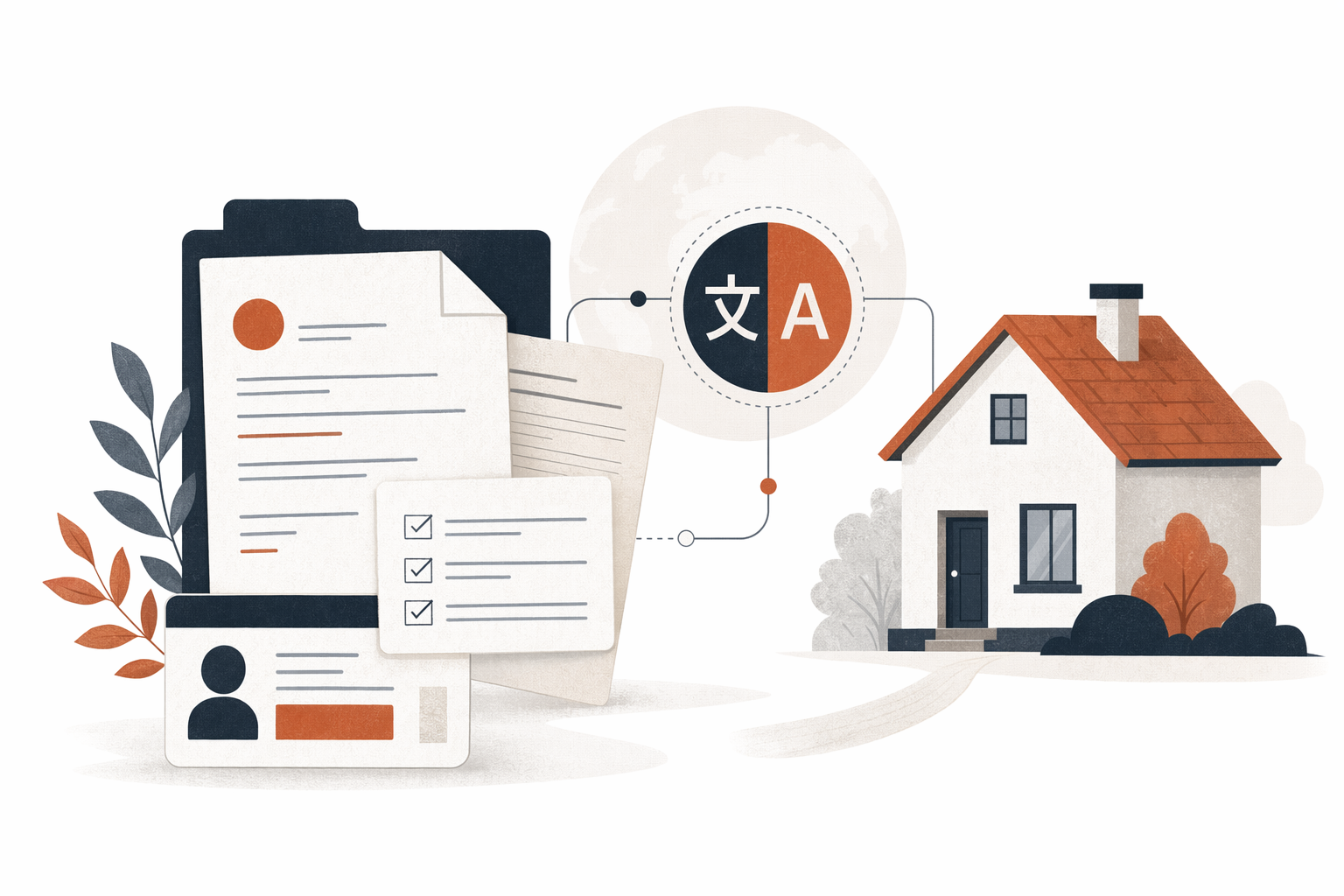
You can buy a home even if the process feels new
Many buyers are surprised by this: being new to the US, speaking another language, or buying with an ITIN does not automatically stop you from buying a home. What matters is whether a licensed lender is willing to approve your loan, or whether you have the funds to buy another way.
If you are an immigrant, first-time buyer, or non-native-English speaker, the hard part is often not the home. It is understanding the process, the paperwork, the timelines, and who is actually helping you. That is where people get pressured or misled.
DoorLine is not a brokerage, lender, law firm, or tax advisor. We do not buy, sell, list, appraise, or finance homes. We provide general education and a free matching service that helps you connect with a licensed local real-estate agent. You compare agents, ask questions, and decide who to work with.
If you are just starting, it helps to read a simple overview of buying a home before you talk to anyone.
How the home-buying process usually works
The steps are usually simple on paper. In real life, each one has details.
- Set your budget. Look at your monthly payment comfort level, not just the highest number a lender might allow.
- Talk to a licensed lender. If you want a mortgage, ask what documents they need for your situation. ITIN buyers and recent immigrants may have different documentation requirements.
- Get matched with a licensed local agent. A good agent explains the market, shows homes, writes offers, and helps you understand deadlines and contracts.
- Tour homes and compare neighborhoods using objective facts. Think about commute, price, public school data, property taxes, flood risk, HOA rules, and nearby services. Do not let anyone make assumptions about where you "should" live.
- Make an offer. Your agent can explain the price, contingencies, inspection period, earnest money, and closing timeline.
- Do inspections and final checks. This is where you learn about repair issues, insurance concerns, and possible extra costs.
- Close and get the keys. Read every document carefully before signing.
DoorLine can help you get matched with a licensed local agent who is used to explaining things clearly. Always verify any agent's license yourself, and read and confirm every agreement and fee in writing before signing.
What it usually costs
The biggest mistake many buyers make is planning only for the down payment. In reality, you may also need money for closing costs, inspections, insurance, moving, and repairs after move-in.
Typical buyer costs often include:
- Down payment: commonly about 3% to 20% of the home price, depending on the loan and your situation
- Buyer closing costs: often about 2% to 5% of the purchase price
- Inspection and related services: often paid separately and vary by location and property
- Earnest money deposit: a good-faith deposit that is applied according to the contract terms
- Cash reserves: sometimes required by lenders
Agent compensation can also matter. In many transactions, the seller may offer compensation to a buyer's agent, but that is not guaranteed and terms are increasingly negotiable. Ask for the buyer representation agreement and any fees in writing before you sign. Real numbers depend on the home, the price, the location, the loan, and your agreement with the agent.
If you want a fuller breakdown, see closing costs and financing basics.
Important: DoorLine's matching service is free to you. Participating agents pay DoorLine a flat marketing fee. DoorLine does not take a cut of your sale or your loan.
Any time money will move, use extra caution. Wire fraud is real. Always confirm wiring instructions by calling a trusted number you found independently before sending money.
What ITIN and immigrant buyers should ask early
You do not need to know everything before you start. But you should ask direct questions early, before you spend time on homes you may not be able to buy.
Ask a licensed lender:
- Do you work with ITIN borrowers or recent immigrants?
- What documents do you need from me?
- What loan programs might apply to my situation?
- What down payment range should I prepare for?
- What are the estimated monthly payment and cash-to-close range?
- How long does your approval process usually take?
Ask a licensed real-estate agent:
- Have you helped first-time buyers or buyers who are new to the US process?
- How do you explain contracts, deadlines, inspections, and closing costs?
- Do you work with buyers in my price range and area?
- How will you help me compare homes using facts, not pressure?
- Will you give me your agreement and all fees in writing before I sign?
- How do you prefer to communicate if English is not my first language?
A clear explanation matters more than a sales pitch. If an agent rushes you, avoids your questions, or will not put terms in writing, keep looking. Here is a practical guide on how to choose a real-estate agent.
A realistic timeline
A fast closing can happen, but many first-time and immigrant buyers need more time, especially if they are still learning the process or gathering documents.
A common timeline looks like this:
- 1-3 weeks: budget, lender conversations, document gathering, agent interviews
- 2-8 weeks: home search and offers, depending on your market and price range
- 30-45 days after contract: loan processing, inspection, appraisal if required, final approval, and closing
That means some buyers move from first conversation to closing in about 2 to 4 months. Others take longer. Delays can happen because of missing documents, appraisal issues, inspection negotiations, title problems, HOA review, or loan conditions.
Do not let anyone tell you that buying is "easy" or that you must decide immediately to avoid losing everything. Good professionals explain the timeline honestly. If you are buying your first home, our first-time home buyer guide can help you understand the full path.
Your rights matter
You have the right to fair, lawful treatment when you rent, buy, sell, finance, or look for housing. DoorLine follows the Fair Housing Act, and all buyers and sellers are welcome.
That means no one should steer you toward or away from an area, building, or agent because of race, color, religion, sex, disability, familial status, national origin, or another protected characteristic. Neighborhood conversations should stay focused on lawful, objective factors like:
- price range
n- commute time
- transportation options
- public school information
- taxes and HOA costs
- lot size, home condition, and amenities
If someone says a place is better or worse for "people like you," that is a red flag. Ask for facts you can verify yourself.
You can learn more about your fair housing rights. If you think a professional crossed the line, save messages and documents and consider reporting the issue to the appropriate agency or licensing authority.
How DoorLine helps, and how to stay in control
DoorLine is built for people who want straight answers without pressure.
Here is how to use the service well:
- Tell us basic contact and goal details. For example: buying timeline, location, language preference, and whether you want to buy with a loan or cash. Do not share sensitive items like Social Security numbers, bank account numbers, or full financial records with a matching form.
- Get connected with a licensed local agent. We aim to connect you with someone who can explain the process clearly.
- Compare before you commit. Ask about experience, communication style, market knowledge, and written agreements.
- Choose your agent. You are in control. You do not have to work with anyone who does not feel right.
- Read everything before signing. Confirm fees, duties, timing, and cancellation terms in writing.
Our service is free to consumers. The goal is simple: help you understand how home buying really works and make it easier to find a licensed local professional you can evaluate for yourself.
If you want to start, get matched.
If you are an immigrant, first-time buyer, or ITIN buyer, you may still be able to buy a home in the US. Learn the costs and steps, talk to a licensed lender, compare licensed agents carefully, verify licenses yourself, and read every agreement and fee in writing before you sign.